Insoles for Work Shoes
Die Einlegesohlen für Arbeitsschuhe sind speziell auf die Anforderungen von Sicherheits- und Berufsschuhen abgestimmt.
- Atmungsaktive und weiche Einlegesohlen für langanhaltenden Tragekomfort
- Unterstützende Modelle von ALBATROS® & PUMA® Safety für Beruf und Alltag

Filters
7 products
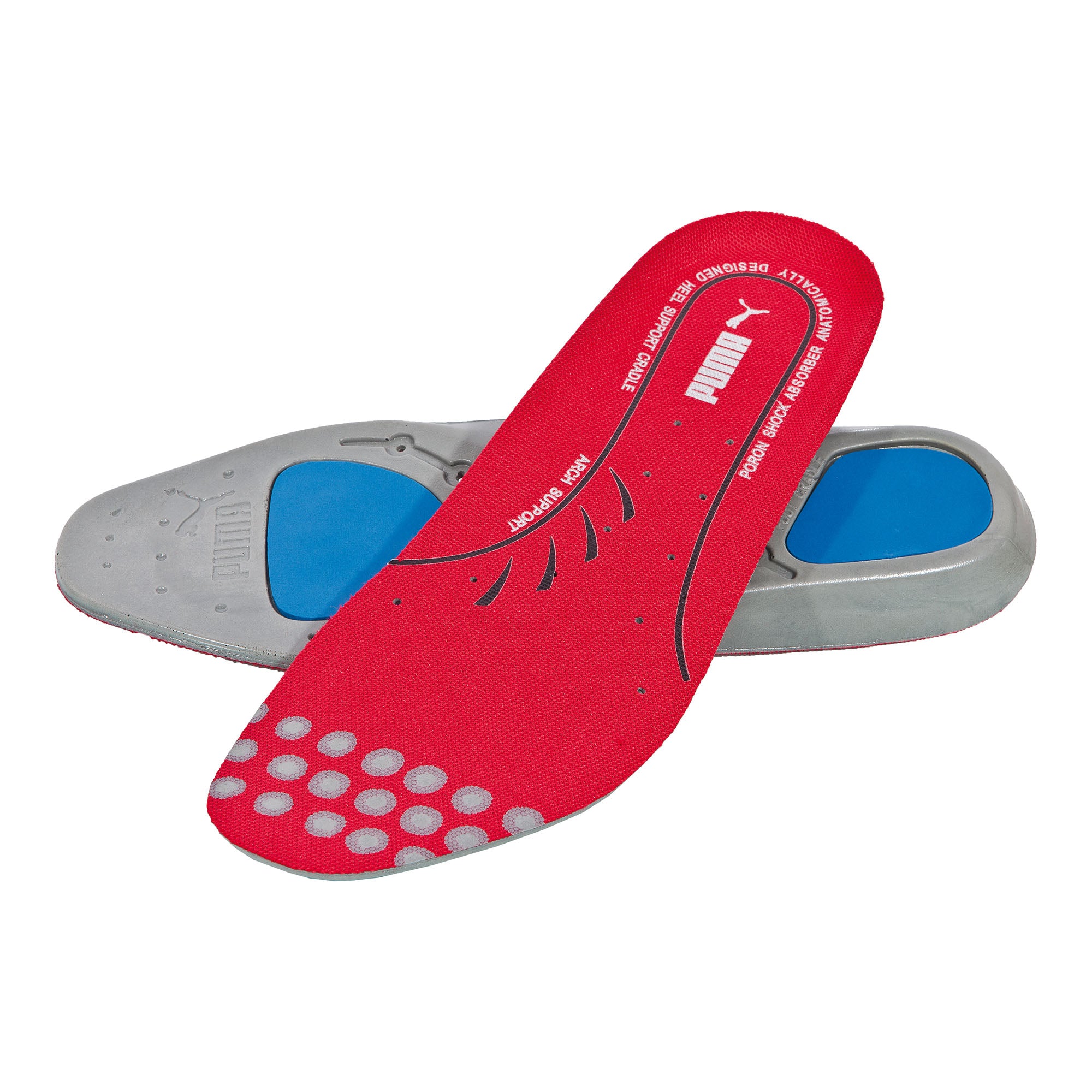
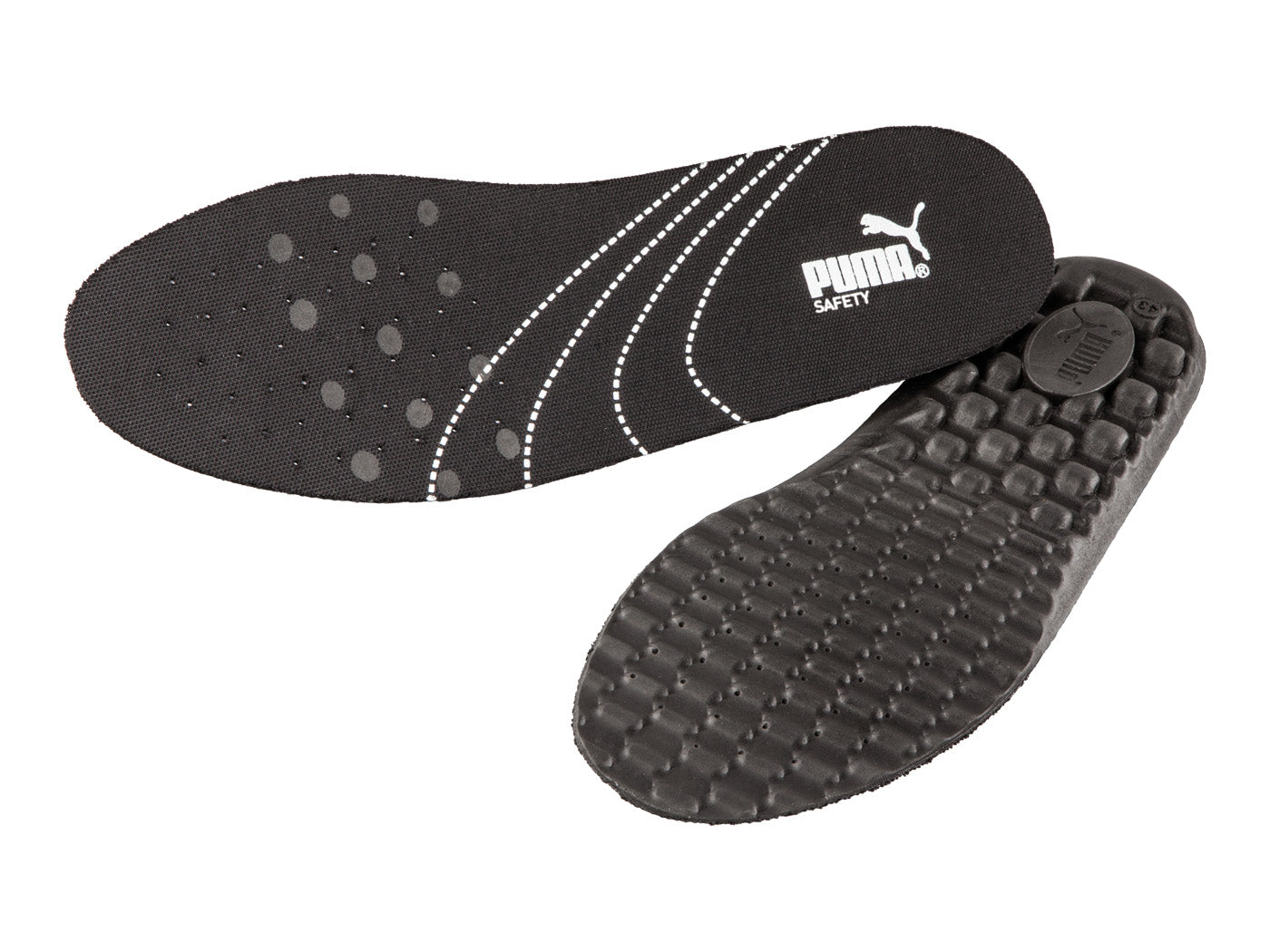
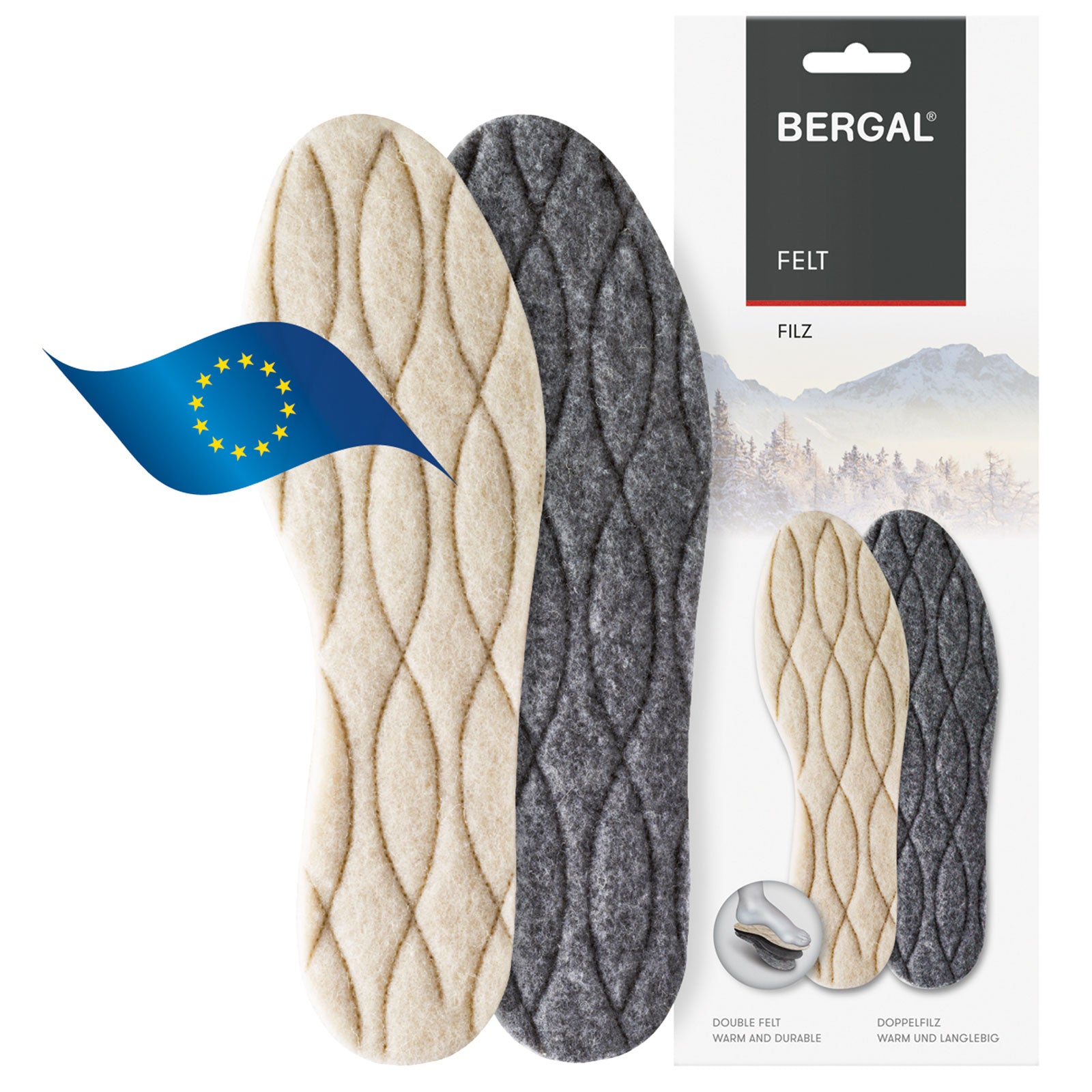


Unterstützende Einlegesohlen für Arbeits- und Sicherheitsschuhe
Einlegesohlen für Arbeitsschuhe kommen überall dort zum Einsatz, wo Beschäftigte viele Stunden auf den Beinen sind oder ihre Füße besonderen Belastungen ausgesetzt sind. Ob auf harten Industrieböden, im Lager oder auf der Baustelle: Die richtige Einlegesohle für Sicherheitsschuhe kann Komfort und Passform spürbar verbessern.
Vorteile moderner Einlegesohlen für Arbeitsschuhe aus unserem Sortiment:
- Stoßdämpfende Eigenschaften reduzieren die Belastung auf Gelenke und Füße
- Atmungsaktive Materialien unterstützen ein angenehmes Fußklima im Schuh und sichern hohen Tragekomfort
- Anatomisch geformte Fußbetten fördern eine ergonomische Fußhaltung
- Rutschhemmende Oberflächen sorgen für optimalen Halt und stabilen Sitz
- Antibakteriell und geruchshemmend
- Weiche Polsterungen erhöhen den Komfort bei langem Stehen und Gehen
- Geeignet für alle Sicherheits- und Berufsschuhe
- Erhältlich in verschiedenen Größen und Weiten
Besonders orthopädische Einlegesohlen für Arbeitsschuhe können sinnvoll sein, wenn Deine Füße täglich hohen Belastungen ausgesetzt sind oder zusätzliche Unterstützung benötigt wird. Wichtig ist dabei immer die Kompatibilität mit dem jeweiligen Sicherheitsschuh.
Warum sind private Einlegesohlen in Sicherheitsschuhen nicht erlaubt?
Normale oder private Einlegesohlen können die geprüften Eigenschaften eines Sicherheitsschuhs verändern. Dadurch kann beispielsweise der Sitz des Fußes im Schuh beeinflusst werden oder wichtige Schutzfunktionen gehen verloren. Deshalb sollten ausschließlich freigegebene oder zertifizierte Einlegesohlen für Sicherheitsschuhe in Sicherheitsschuhen verwendet werden.
Einlegesohlen kaufen: Was sind die besten Einlegesohlen für Arbeitsschuhe?
Welche Einlegesohlen für Arbeitsschuhe am besten geeignet sind, hängt vom Einsatzbereich, der Passform des Schuhs und den individuellen Anforderungen ab. Wer täglich viele Stunden in Sicherheits- oder Berufsschuhen verbringt, sollte bei der Auswahl auf Material, Dämpfung und die richtige Größe achten.
Je nach Arbeitsumgebung und persönlichem Komfortempfinden kommen unterschiedliche Varianten infrage. Weiche Einlegesohlen für Arbeitsschuhe eignen sich beispielsweise für lange Laufwege oder harte Untergründe, während stärker stützende Modelle den Fuß zusätzlich stabilisieren können.
Das leisten Einlegesohlen:
- Dämpfende Zonen im Fersen- und Vorfußbereich
- Angenehmes Fußklima durch atmungsaktive Obermaterialien
- Feuchtigkeitsregulierende Eigenschaften
- Anatomische Unterstützung des Fußgewölbes
- Antistatische oder rutschhemmende Ausstattungen
- Orthopädische Unterstützung für erhöhte Belastungen
Orthopädische Einlegesohlen für Arbeitsschuhe sollten immer mit dem jeweiligen Sicherheitsschuh kompatibel sein und den geltenden Anforderungen entsprechen.
Damit Einlegesohlen Dich optimal unterstützen und entlasten, müssen sie passgenau im Schuh sitzen. Viele Modelle sind deshalb in unterschiedlichen Größen erhältlich, von kleinen Größen hin zu größeren Varianten.
Auch die Schuhweite spielt eine wichtige Rolle. Zu schmale oder zu dicke Sohlen können den Sitz des Sicherheitsschuhs beeinträchtigen. Empfehlenswert sind daher Einlegesohlen, die speziell für Arbeits- und Sicherheitsschuhe entwickelt wurden.
Einlegesohlen bestehen häufig aus funktionalen Materialkombinationen, die Komfort und Haltbarkeit miteinander verbinden. In unserem Online Shop findest Du Sohlen aus folgenden Materialien:
- Schaumstoffe mit dämpfenden Eigenschaften
- Textiloberflächen für ein angenehmes Tragegefühl
- Atmungsaktive Mesh-Materialien
- Feuchtigkeitsableitende Funktionsfasern
Auch optisch sind viele Einlegesohlen in dezenten, klassischen Farben wie Schwarz, Grau oder Blau bei uns erhältlich – passend zu modernen Arbeits- und Sicherheitsschuhen.
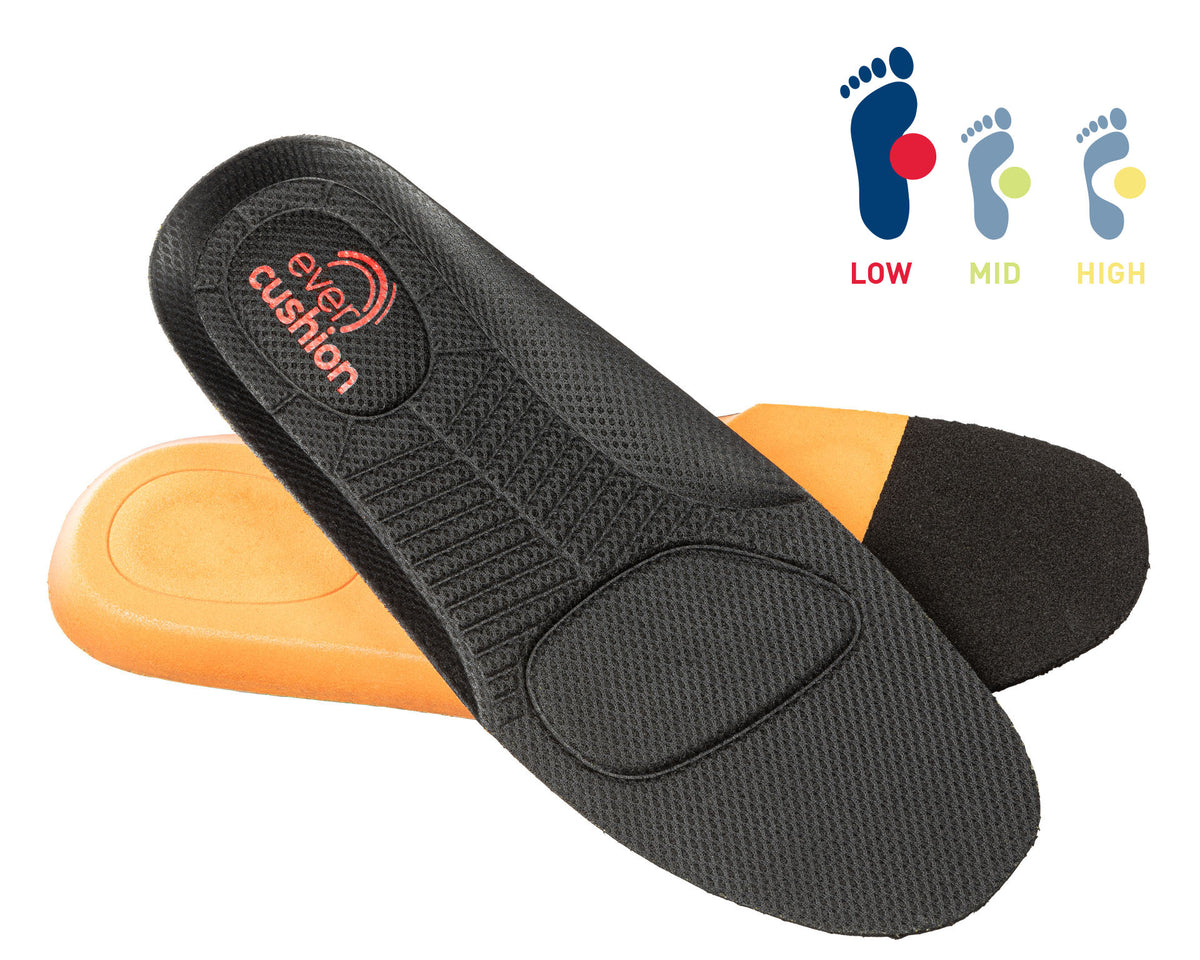
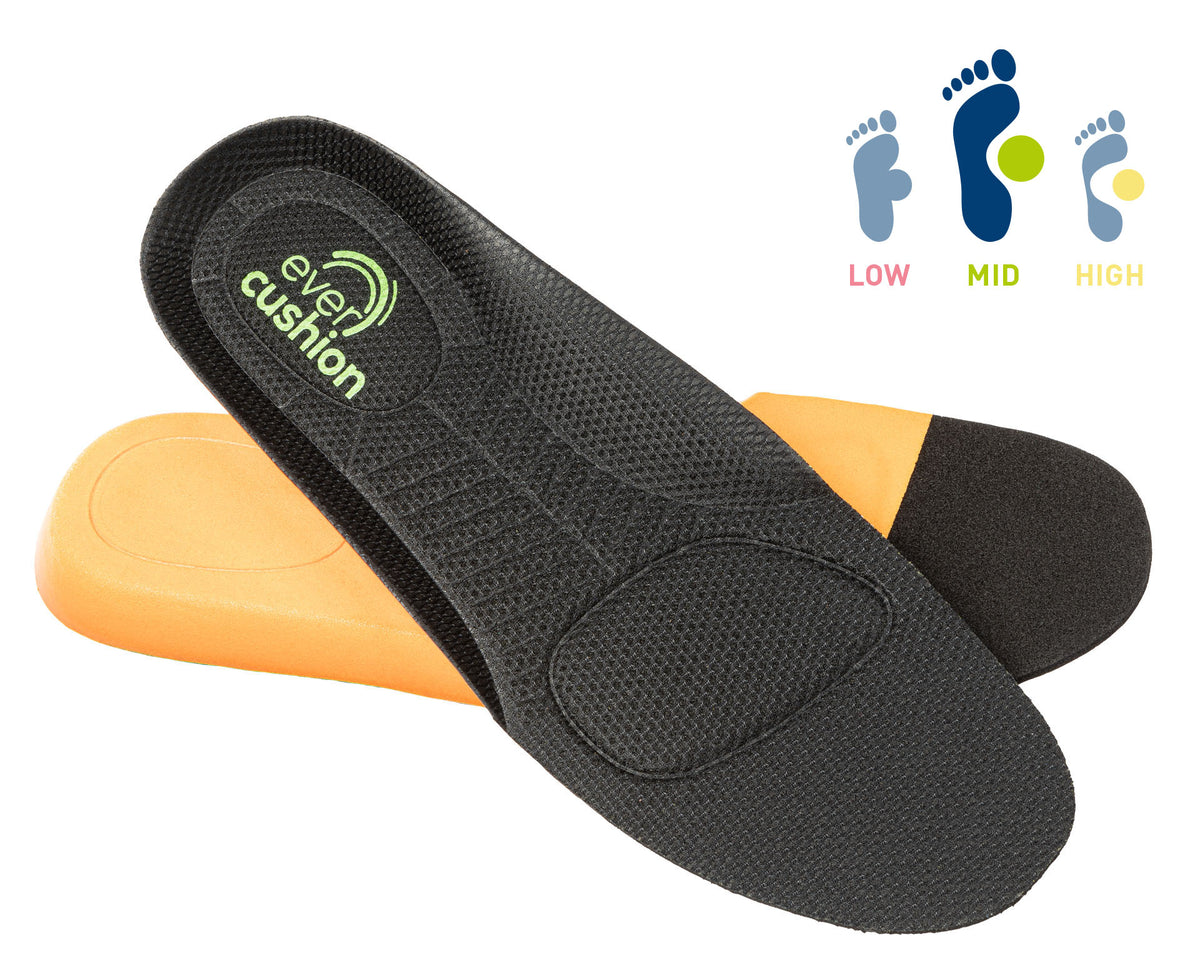
Die ALBATROS® Evercushion Custom Fit Einlegesohlen eignen sich perfekt für lange, laufintensive Arbeitstage in Industrie und Logistik. Diese Sohlen gibt es in drei verschiedenen Farben bzw. Ausführungen, die sich individuell an den jeweiligen Fuß anpassen.
Die Farben haben folgende Bedeutung:
- Custom Fit Low (Rot) für breite Füße bzw. Senkfüße (leichte Unterstützung
- Custom Fit Mid (Grün) für normale Füße (mittlere Unterstützung)
- Custom Fit High (Gelb) für schmale Füße und Hohlfüße (starke Unterstützung)
Häufige Fragen zu Einlegesohlen für Arbeitsschuhe (FAQ)
Vor dem Kauf von Einlegesohlen für Arbeitsschuhe entstehen häufig Fragen zur Zulässigkeit, zu orthopädischen Varianten oder zu den Kosten. Hier kommen die wichtigsten Antworten im Überblick.
Ja, Einlegesohlen in Arbeitsschuhen sind erlaubt. Allerdings sollten sie für den Einsatz in Sicherheits- und Berufsschuhen geeignet sein.
Ob die Kosten für Arbeitsschuhe vom Arbeitgeber übernommen werden, hängt vom jeweiligen Fall ab. Bei medizinisch notwendigen orthopädischen Einlegesohlen können unter bestimmten Voraussetzungen Arbeitgeber, Berufsgenossenschaften oder andere Kostenträger beteiligt sein. Maßgeblich sind dabei die jeweiligen gesetzlichen und betrieblichen Regelungen.
Für viele Beschäftigte können sich Einlegesohlen lohnen, insbesondere bei langen Arbeitstagen auf harten Böden oder bei hoher körperlicher Belastung. Sie können den Tragekomfort verbessern, Druckstellen reduzieren und die Füße und Gelenke im Arbeitsalltag entlasten. Entscheidend ist die passende Schuheinlage, abgestimmt auf Schuh, Einsatzbereich und individuelle Anforderungen.